Tuesday, March 17, 2026

Why DIY Electrical Repairs Are More Dangerous Than You Think...


...Don't Be That Homeowner

We've all been there. Something in the house needs fixing, and before you even pick up the phone to call a professional, you're already deep in a YouTube rabbit hole watching a guy in a polo shirt swap out an outlet like it's nothing. Ten minutes later, you're convinced. I can totally do this.

And hey — we get it. There's genuine satisfaction in tackling home projects yourself. Painting a bedroom? Go for it. Patching drywall? Knock yourself out. Replacing a leaky faucet? Sure, with a little patience. But when it comes to electrical repairs? That's a completely different animal — and a potentially deadly one at that.

Let's talk about why DIY electrical repairs are one of the most dangerous things a homeowner can attempt, and why calling a licensed electrician could literally save your life.


The YouTube Trap — It Looks Easy Until It Isn't

YouTube tutorials have democratized a LOT of home improvement. The problem with electrical work, specifically, is that videos make it look deceivingly simple. The presenter flips the breaker, pulls out the outlet, and has everything wrapped up in five minutes. What those videos don't show you is the full complexity hiding behind your walls — mislabeled panels, shared neutrals, outdated wiring, or previous owner "fixes" that were done just as incorrectly as yours might be.


The Real Danger: Your Body Completes the Circuit

Here's the thing: most homeowners don't fully appreciate that electricity doesn't care about your intentions. The moment you become the path of least resistance between a live wire and the ground, current flows through you. And it happens faster than you can react.

According to the National Institutes of Health, at least 30,000 non-fatal electrical shock incidents occur among Americans every single year. Around 1,000 people die annually from accidental electrical injuries. Your standard household 120-volt outlet — the same one you've plugged your phone charger into a thousand times — can cause ventricular fibrillation, severe burns, and death if mishandled.

Even "turning off the breaker" isn't always enough. Mislabeled panels, back-fed circuits, and shared neutral wires mean voltage can still be present where you least expect it.


What Can Actually Go Wrong — And It's Not Pretty

Let's break down the real consequences homeowners face when things go sideways:

1. Electrical Shock and Electrocution Contact with a live wire causes involuntary muscle contractions, which can cause you to grip the wire tighter or fall off a ladder. A serious shock can disrupt your heart rhythm, cause deep internal burns, and damage your nervous system — all in a fraction of a second.

2. Electrical Fires That Start in the Walls This is arguably more terrifying than an immediate shock. Faulty wiring and poor connections can generate heat inside your walls for months — or even years — before igniting. Worse, these fires often start when no one is home, or in the middle of the night. According to the U.S. Fire Administration, electrical failures cause over 51,000 house fires each year, resulting in approximately $1.3 billion in property damage.

Common DIY mistakes that cause fires include:

  • Using the wrong gauge wire for a circuit
  • Loose wire connections that arc over time
  • Leaving wire splices outside of an electrical box
  • Skipping proper grounding or installing the wrong type of outlet for the location (GFCI in bathrooms and kitchens isn't optional — it's code)
  • "Backstabbing" outlets instead of using terminal screws, which loosen over time

3. Insurance Nightmares Many homeowners don't realize that their insurance policy has teeth when it comes to DIY electrical work. If a fire or damage is traced back to unpermitted or improperly done electrical work, your insurer may deny your claim entirely, leaving you to cover potentially catastrophic losses out of pocket.

4. Code Violations and Costly Rework Local building codes exist for one reason: safety. Licensed electricians know the National Electrical Code (NEC) inside and out, and they stay current on updates. DIY electrical work frequently violates these codes — not out of negligence, but simply because homeowners don't know what they don't know. Code violations discovered during a home sale can kill the deal, trigger mandatory expensive rework, and result in serious fines.

5. Voided Warranties and Liability Did you know that attempting to wire your own appliances or systems can void manufacturer warranties? And if someone is injured in your home because of DIY electrical work you performed, you can be held personally liable for medical costs, lost wages, and damages.


"But I Turned Off the Breaker..." (Famous Last Words)

Here's a scenario that plays out more often than you'd think: A homeowner flips the breaker labeled "Master Bedroom" and starts working on the outlet. What they don't know is that the panel labels were done by a previous owner who wasn't entirely accurate, and the outlet they're working on is actually on a different circuit — one that's still live. Add a concrete floor, a bit of sweat on the hands, and you have all the ingredients for a serious injury.

Professional electricians don't just rely on breaker labels. They use non-contact voltage testers on every single wire, every single time. They treat every wire as if it's live until it's proven otherwise. That training and habit come from years of experience — not a 12-minute tutorial.


The Jobs You Should Never DIY

Some electrical tasks are definitely off-limits for the average homeowner. If any of these are on your list, it's time to call a pro:

  • Electrical panel work — The panel remains energized even with the main breaker off. This is high-voltage territory.
  • Adding new circuits — Requires permits, inspections, and intimate knowledge of load calculations.
  • Home rewiring — Particularly dangerous in older homes with aluminum wiring or outdated insulation.
  • Outdoor wiring — Exposure to moisture creates a significant electrocution risk.
  • Any work near water — Kitchens, bathrooms, laundry rooms, and garages require specific GFCI protection.
  • Ceiling fan and fixture installation — Incorrect box support and wiring can result in fire or the fixture falling on someone.

So, What Can Homeowners Do Safely?

In the interest of fairness, there are a few genuinely low-risk tasks most careful homeowners can handle:

  • Replacing light bulbs
  • Swapping out decorative outlet covers (not the outlet itself)
  • Properly resetting a breaker that has tripped once

That's a pretty short list. Notice that "rewiring an outlet," "replacing a ceiling fan," and "adding a new light fixture" are not on it.


The Bottom Line: The Savings Aren't Worth It

We understand the motivation. Electricians aren't cheap, and it's tempting to think you're saving a few hundred dollars by going it alone. But consider what's actually at stake:

  • Your life and physical safety
  • Your family's safety
  • Your home — potentially your most valuable asset
  • Your insurance coverage
  • Your legal liability
  • The cost of having a professional undo what went wrong, which almost always costs more than having them do it right the first time

When it comes to anything beyond the simplest tasks, working with a qualified electrician isn't just the smart choice — it's the safe one.


Don't Do It Yourself — Call Someone Who Knows What They're Doing

The DIY spirit is admirable, and there are plenty of home projects where it saves time and money. Electrical work is simply not one of them. The invisible, unforgiving nature of electricity means the margin for error is razor-thin — and the consequences of getting it wrong range from expensive to fatal.

If you're experiencing electrical problems in your home, do yourself a favor: put down the voltage tester, close that YouTube tab, and pick up the phone instead.

Your home and everyone in it will thank you for it.

Thursday, December 18, 2025

Key Reasons for Exterior Repainting and When to Hire a Professional


Considering Repainting Your Home?... Here's a Summary of Things to Consider!

Let's Start With the Key Reasons for Exterior Repainting

### Visual Reasons to Consider Repainting

Homeowners often repaint to address visible wear from weather, such as peeling paint or staining, which can make a property look neglected. A fresh exterior can highlight architectural details, create a cohesive look with landscaping, and even make the home seem larger using lighter shades. This not only improves first impressions for visitors but can subtly boost neighborhood harmony by blending or standing out appropriately.

### Emotional Reasons to Consider Repainting

Beyond aesthetics, repainting can evoke positive emotions through color choices. For instance, it might provide a "fresh start" after life changes, combating feelings of stagnation or seasonal blues. Engaging in the process itself can offer a therapeutic sense of control and creativity, leading to reduced anxiety and heightened satisfaction when arriving home. Evidence from color psychology indicates that thoughtful hues can promote tranquility or energy, though effects depend on personal and cultural contexts.

### Role of Color Psychology

Colors play a key role in both visual and emotional impacts. Warm tones like yellow or orange may energize and welcome, while cool blues and greens often soothe. Neutrals provide balance, offering timeless appeal. Homeowners might repaint to align their exterior with desired moods, such as creating a calming retreat in busy areas.

---

Repainting the exterior of a home is a typical home improvement project that goes beyond mere maintenance, offering significant visual enhancements and emotional benefits that can profoundly affect how residents and visitors perceive and interact with the space. While practical reasons, such as protection against weather damage, are essential, the focus here is on the aesthetic and psychological dimensions, drawing on insights from color psychology and home design. This comprehensive overview explores why homeowners might choose to repaint, supported by examples of color influences and practical considerations.

Visually, repainting serves as an accessible way to revitalize a home's appearance without major renovations. Over time, exposure to sun, rain, and pollutants can cause paint to fade, chip, or peel, resulting in a tired or unkempt look that diminishes curb appeal. A new coat of paint addresses these issues by providing a smooth, uniform surface that highlights the home's architectural features—such as trim, doors, or siding—creating a more polished and cohesive aesthetic. For example, lighter colors like white or beige can make a smaller home appear more spacious and open, while darker shades like gray or navy can add depth and sophistication to larger structures. This visual transformation not only makes the property stand out in the neighborhood but also improves its integration with the surrounding landscapes, such as blending earth tones with natural greenery for a harmonious effect. Homeowners often report that this refreshed look instills a sense of pride, as the home becomes a visual representation of their care and investment. Additionally, strategic color choices can adapt to environmental factors, such as using reflective whites in sunny climates to reduce perceived heat, thereby enhancing overall visual comfort and appeal.

On the emotional side, the act of repainting and the resulting color scheme can have a notable impact on mental well-being. Color psychology suggests that hues influence emotions and behaviors, with exterior colors setting the tone for the entire property. For instance, returning home to a welcoming yellow facade might evoke optimism and energy after a long day, while a serene blue facade might promote relaxation and lower stress levels. This is particularly relevant for homeowners dealing with life transitions, such as moving past a loss or seasonal affective disorder, where a fresh exterior can symbolize renewal and provide an uplifting boost. The process itself—selecting colors, planning, and seeing the transformation—often fosters a sense of accomplishment and control, which can reduce anxiety and enhance personal satisfaction. Moreover, repainting allows for individual expression, enabling homeowners to infuse their personality into the home's outward appearance, whether through bold accents like a red door for confidence or neutral palettes for timeless calm. During periods of heightened home time, such as the pandemic, many turned to repainting to combat emotional flatness, seeking colors that brought joy and vitality to their surroundings.

To illustrate the interplay between colors, visuals, and emotions, consider the following table summarizing standard exterior paint colors, their visual effects, and associated emotional responses based on psychological insights:

Home Painting Color Guide and Chart

This table highlights how color selection is not arbitrary; it's a deliberate choice that can align visual harmony with emotional needs. For example, in cooler climates, warmer tones might emotionally counteract dreariness, while in urban settings, cool neutrals provide a peaceful visual and emotional contrast to the surrounding hustle.

In practice, homeowners considering repainting for these reasons should start by evaluating current colors under different lighting conditions, as shades can shift throughout the day. Testing samples in small areas helps visualize the change, ensuring the new palette complements existing elements such as roofing or brickwork. While not every repaint will dramatically alter emotions, the cumulative effect of improved visuals—such as increased curb appeal and a refreshed facade—often translates to greater daily satisfaction and even subtle mental health benefits, like feeling more empowered in one's space. Ultimately, this project represents an investment in both the home's exterior and the homeowner's inner world, blending beauty with well-being in a way that's both practical and profound.

### Key Citations

- [Best Garner NC Exterior House Painter - Home Painting Raleigh, NC]

- [9 Residential House Painting Can Elevate Home and Mood](https://www.armoredpainting.com/9-residential-house-painting-elevate-mood/)

- [Unexpected Benefits of Painting Your Home's Exterior](https://www.armadillo.one/unexpected-benefits-of-painting-your-homes-exterior/)

- [The Impact Of Color Psychology On Exterior Home Painting Choices](https://wepaintsiding.com/exterior-painting/the-impact-of-color-psychology-on-exterior-home-painting-choices/)

- [The Impact of Color on Mood: Repainting for a Mental Health Boost](https://ipainthomes.com/color-impact-mood-mental-health-painting/)

- [The Psychology of Color in Exterior Painting](https://desertwindspaintandrepair.com/the-psychology-of-color-in-exterior-painting/)

- [13 Benefits of Exterior Painting to Your Home](https://www.koehnpainting.com/commercial-painting/interior-exterior-painting/benefits-of-exterior-painting-home/)

- [The Surprising Ways the Pandemic Changed How We Paint Our Homes](https://www.bhg.com/how-the-pandemic-changed-paint-trends-11731821)

Tuesday, September 3, 2024

Why Hiring a Certified or Licensed Electrician in the Fort Worth, TX area is important.

In Fort Worth, Texas, the distinction between licensed and certified electricians and the requirements for becoming an electrician revolves around different levels of experience, education, and the specific roles they are qualified to perform. Understanding these differences is crucial for ensuring that electrical work in your home is performed safely and complies with state regulations. Here's a comprehensive overview of these aspects:

Licensed Electricians in Fort Worth, TX

Difference between licensed and certified electricians in fort worth TX

Licensing Process and Levels: In Texas, electricians must obtain a license from the Texas Department of Licensing and Regulation (TDLR) to perform electrical work legally. There are several types of electrical permits, each corresponding to different levels of experience and responsibility:

  1. Apprentice Electrician:

    • Requirements: No formal education or experience is needed to start as an apprentice. However, apprentices must work under the supervision of a licensed electrician.
    • Role: An apprentice gains hands-on experience while learning the trade, preparing to advance to higher levels of licensure.
  2. Journeyman Electrician:

    • Requirements: To become a journeyman, one must complete 8,000 hours of on-the-job training as an apprentice, pass the journeyman electrician exam, and hold an apprentice license for at least two years.
    • Role: A journeyman can work independently on electrical systems, although complex tasks may still require oversight from a master electrician.
  3. Master Electrician:

    • Requirements: Becoming a master electrician requires at least 12,000 hours of on-the-job training, including time spent as a journeyman and passing the master electrician exam. Typically, a journeyman must have held their license for at least two years before applying for a master license.
    • Role: Master electricians can design, install, and supervise electrical projects, and they often own or manage electrical contracting businesses. They are responsible for ensuring all work complies with state codes and standards.
  4. Residential Wireman:

    • Requirements: This license requires 4,000 hours of on-the-job training under the supervision of a master electrician and passing the residential wireman exam.
    • Role: A residential wireman is limited to working on electrical systems in single-family and multi-family dwellings that do not exceed four stories.
  5. Electrical Contractor:

    • Requirements: An electrical contractor license allows a person or company to offer electrical services to the public. To obtain this license, one must have a master electrician on staff.
    • Role: Electrical contractors oversee and execute electrical projects, often coordinating with clients and ensuring compliance with regulations.

Certified Fort Worth Electricians 

The term "certified electrician" generally refers to electricians who have completed specific training programs or certifications that may not be state-mandated but are often industry-recognized. Certifications can come from organizations such as the National Electrical Contractors Association (NECA), the International Brotherhood of Electrical Workers (IBEW), or private companies offering specialized training.

Key Differences:

  • Certification Focus: Certifications typically cover specific areas of expertise, such as low-voltage systems, green energy installations, or safety practices like OSHA compliance. These certifications are not a substitute for state licensing but can enhance an electrician's qualifications.
  • Voluntary Nature: Unlike licenses, certifications are often voluntary and pursued by electricians to advance their careers, demonstrate expertise, or fulfill employer requirements.

Testing and Training Requirements

Education and Apprenticeship: In Texas, aspiring electricians start by obtaining an apprenticeship, which involves extensive on-the-job training. This training is typically supplemented by classroom education through trade schools, community colleges, or union programs. The curriculum covers electrical theory, blueprint reading, code requirements, and safety protocols.

Exams:

  • Journeyman Exam: This exam covers topics such as electrical theory, the Texas Electrical Code, installation methods, and troubleshooting. It tests the candidate's ability to perform electrical work safely and competently.
  • Master Electrician Exam: This exam focuses on more advanced topics, including electrical design, planning, and the National Electrical Code (NEC). Master electricians must demonstrate a deep understanding of electrical systems and their applications.
  • Residential Wireman Exam: Similar to the journeyman exam, it is explicitly focused on residential electrical work.

Importance of Using Trained and Licensed Electricians

Safety: Electrical work is inherently dangerous. Poorly performed electrical installations or repairs can lead to electrical fires, shock hazards, and even fatalities. Licensed electricians have undergone rigorous training and testing to ensure they understand how to perform electrical work safely and comply with the NEC and state codes. These codes protect both the installer and the home's occupants.

Compliance with Regulations: like all states, Texas has specific electrical codes and regulations that must be followed. Licensed electricians must stay updated on these codes, which are periodically revised to reflect new safety standards and technological advancements. Using an unlicensed electrician or attempting DIY electrical work can result in non-compliant installations, leading to fines, insurance issues, or costly repairs.

Quality and Reliability: Licensed electricians are accountable for their work. If an issue arises, they must correct it, and their work is often backed by a warranty. Quality assurance is essential in electrical work, where mistakes can have severe consequences.

Insurance and Liability: Homeowners’ insurance policies often require that electrical work be performed by a licensed professional. If an unlicensed individual performs electrical work and a problem occurs, the insurance company may refuse to cover the damage. Moreover, if someone is injured due to faulty electrical work, the homeowner could be held liable if the work was not done by a licensed electrician.

Property Value: When selling a home, having documented proof that electrical work was performed by a licensed electrician can be a significant selling point. Conversely, an inspection revealing unlicensed or substandard work can reduce the property’s value and complicate the sale.

Troubleshooting and Problem Solving: Licensed electricians are trained to diagnose and solve complex electrical problems. Their expertise allows them to identify potential issues before they become significant problems, ensuring the long-term safety and efficiency of your home’s electrical system.

Legal Requirements: In Texas, a licensed electrician legally requires certain types of electrical work. This includes installing, repairing, or maintaining electrical systems in any residential, commercial, or industrial setting. Homeowners who attempt to perform these tasks themselves or hire unlicensed workers can face legal penalties.

When Not To Do - Electrical Work - Yourself?

In Texas, the distinction between licensed and certified electricians is significant. Licensing is a state-regulated process that ensures electricians meet specific standards of competence and safety. Certification, on the other hand, is often an additional credential that enhances an electrician’s expertise in specialized areas.

This rigorous training, testing, and licensure requirements for electricians in Texas are designed to protect homeowners and ensure that electrical work is performed safely and to code. Hiring a licensed electrician is not just a legal requirement for many types of work; it is also a critical step in safeguarding your home, family, and investment. Electrical work is complex and dangerous; only trained and licensed professionals should be trusted to handle it.

Friday, March 8, 2024

Germicidal UV Lights in the Fort Worth, TX area benefits and expected results?

Germicidal UV lights are a type of ultraviolet (UV) light that is used to disinfect air, water, and surfaces by killing or inactivating bacteria, viruses, and other pathogens. These lights emit UV-C radiation, which is particularly effective at destroying the DNA and RNA of microorganisms, preventing them from reproducing and causing infections.

Fort Worth TX Germicidal UV Lights

Your home Indoor Air Quality near Fort Worth, TX, where indoor air quality can be affected by factors such as high humidity and air pollution, germicidal UV lights can offer several benefits:

  1. Improved indoor air quality: By killing airborne pathogens, including viruses, bacteria, and mold spores, germicidal UV lights can help reduce the risk of respiratory infections and allergies, creating a healthier indoor environment for residents and occupants.
  2. Reduced transmission of infectious diseases: In places such as hospitals, schools, and public buildings, where people gather and the risk of disease transmission is higher, germicidal UV lights can help prevent the spread of infections by killing pathogens on surfaces and in the air.
  3. Odor control: Germicidal UV lights can also help eliminate unpleasant odors caused by mold, mildew, and bacteria, resulting in fresher and more comfortable indoor spaces.
  4. Energy efficiency: Compared to other methods of air purification, such as HEPA filters and chemical disinfectants, germicidal UV lights consume less energy and require minimal maintenance, making them a cost-effective solution for improving indoor air quality.

It's important to note that while germicidal UV lights can be highly effective at killing pathogens, proper installation and maintenance are essential to ensure optimal performance and safety. This is why – this is not a do-it-yourself type of home improvement.


Wednesday, January 3, 2024

Does a brand really matter for home service companies?

YES -  A Home Service Company Brand matters more than you think!

For years, home service companies have fought for the attention of the local homeowners within their service area. A 'brand' has and continues to play a substantial role in a home service company's ability to generate leads and opportunities.

History proves to us that people do business with companies they trust, that they align with, or that they find value in. 

Today, NOTHING has changed. People still want those things. They want to trust that the person walking into their home is trustworthy and that they won't rip them off or do shoddy work. They want to align with them morally or at a personal level. And, they want to find value in their work... the things the company does to go the extra mile or they may associate a discount to that perceived value.

Q: What does this article have to do with "When not to do it yourself"? Good question...

A: Gone are the days of "build it and they will come". You can no longer build a site, get a cheap logo, and expect the phone to ring. Your future customers are too savvy.

Here are 7 examples and ways branding can impact home service lead generation:

1. Trust and Credibility: A strong brand establishes trust with potential customers. People are more likely to choose a service provider they recognize and perceive as reputable.

Innovative Air Pros HVAC Company Near Tulsa, OK

2. Referrals and Word-of-mouth: A reputable brand often leads to positive reviews and referrals. Satisfied customers are more likely to recommend a well-known and trusted brand to their friends and family.

Clear the Air HVAC Company in Pearland TX

3. Differentiation: In a competitive market, a distinctive brand helps a home service company stand out. A recognizable brand with a unique value proposition attracts customers looking for something specific.

Flow Pros Plumbers in Tampa, FL

4. Consistency and Reliability: A well-established brand often signifies consistency in service quality. Customers prefer companies that consistently deliver high-quality services, which encourages repeat business and referrals.

Hobaica HVAC Company in Phoenix, AZ

5. Marketing Efforts: A strong brand makes marketing efforts more effective. Customers are more receptive to advertising, promotions, and other marketing strategies from brands they trust.

Comfort Pro HVAC Company Cary, NC


6. Perceived Value: A reputable brand can command higher prices as customers perceive the value of the service to be higher based on the brand's reputation.

Climate Plus HVAC Company Oak Ridge, NJ

7. Online Presence: A recognizable brand is more likely to have a strong online presence. This includes a professional website, active social media profiles, and positive online reviews, all of which contribute to attracting leads.

Jackson and Sons HVAC Company Dudley, NC


In essence, a strong brand positively influences how a home service company is perceived, leading to increased trust, customer loyalty, and a greater likelihood of generating leads through various channels. 

With all that in mind - don't try to do this on your own - find a pro who can help you and who specializes in your industry!

Wednesday, June 14, 2023

Why is water dripping from condensation pipe outside my home ?

Water Dripping from a condensation pipe isn't always a bad thing!

If you notice water dripping from a condensation pipe outside your home, it is likely related to your air conditioning system. The condensation pipe, also known as a condensate drain line, is responsible for draining the excess moisture that accumulates during the cooling process. Here are a few possible reasons for water dripping from the condensation pipe:

  1. Normal operation: Some condensation is a normal byproduct of the air conditioning process. As warm air passes over the cold evaporator coils in your air conditioner, moisture in the air condenses and collects on the coils. This moisture is then drained through the condensate drain line, leading to water dripping outside.
  2. Clogged or blocked drain line: Over time, the condensate drain line can become clogged with debris, algae, or other contaminants. A clogged drain line can cause water to back up and overflow, leading to leakage or dripping. Regular maintenance and cleaning of the drain line can help prevent this issue.
  3. Damaged or disconnected drain line: If the condensate drain line is damaged or improperly connected, water may leak or drip from the pipe. Inspect the drain line for any visible signs of damage, such as cracks, gaps, or disconnections. If you notice any issues, it's advisable to have a professional HVAC technician inspect and repair the line.
  4. Excessive humidity or high condensation rate: If the weather is exceptionally humid or the air conditioning system is working particularly hard to cool the space, it may result in a higher condensation rate. This increased moisture production can lead to more water dripping from the condensation pipe.
If you are concerned about the water dripping from the condensation pipe, it's recommended to consult with a professional HVAC technician.

Fort Worth ac repair technician

Don't do it yourself! Call your favorite Air Conditioning company and ask for an AC Tune Up. In Fort Worth, be sure to call Comfort Experts Inc. to help diagnose any AC Repair related issues.

Wednesday, June 7, 2023

Why is my HVAC System constantly running?

If your AC System is running nonstop... here's what may be going on!

There could be several reasons why your HVAC system is constantly running. Here are a few common possibilities:

  1. Incorrect thermostat settings: Check your thermostat settings to ensure that it is not set to a constant "on" position. If it is set to "on," the HVAC system will continuously run to maintain the desired temperature, even if it has already reached the set point.
  2. Improperly sized HVAC system: If your HVAC system is too small for your space, it may struggle to cool or heat it adequately. As a result, it might run constantly in an attempt to reach the desired temperature. Consulting with an HVAC professional can help determine if your system is appropriately sized for your home.
  3. Air leaks: Air leaks in your home can cause temperature imbalances, leading to your HVAC system working harder to compensate. Inspect your windows, doors, and ductwork for any signs of leaks. Sealing these gaps can help improve energy efficiency and prevent the constant running of your HVAC system.
  4. Clogged air filters: Dirty or clogged air filters restrict airflow, forcing your HVAC system to work harder to circulate air. This continuous strain can cause the system to run constantly. Regularly check and replace your air filters according to the manufacturer's recommendations.
  5. Malfunctioning components: Faulty components, such as a malfunctioning thermostat, a faulty fan motor, or a refrigerant leak, can cause your HVAC system to run continuously. If you suspect any component is not functioning correctly, it's best to contact an HVAC technician for a thorough inspection and necessary repairs.
  6. Inadequate insulation: Insufficient insulation in your home can result in heat loss during the winter or heat gain during the summer. As a result, your HVAC system may run constantly to compensate for these temperature fluctuations. Assess your home's insulation levels and consider adding insulation in areas where it is lacking.
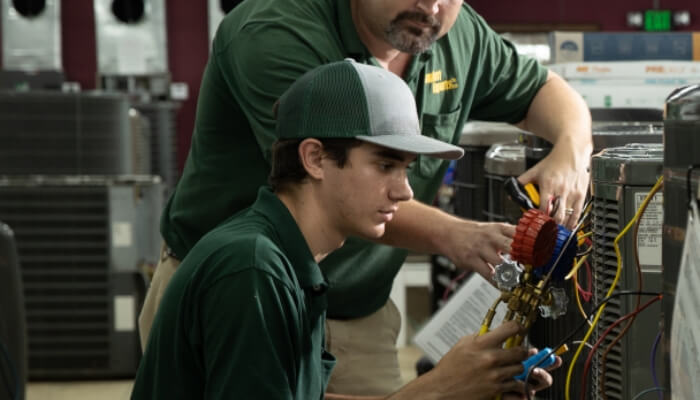
    Comfort Expert Technician Diagnosing a continuously running AC System

It's essential to address the issue of your HVAC system constantly running, as it can lead to increased energy consumption, higher utility bills, and potential wear and tear on the system.

Do you live near Fort Worth? Don't do it yourself! Call in the trained AC specialists at Comfort Experts in Fort Worth TX.

Why DIY Electrical Repairs Are More Dangerous Than You Think...

...Don't Be That Homeowner We've all been there. Something in the house needs fixing, and before you even pick up the phone to cal...